ABOUT QUANTUM
Quantum is a technical design prototype exploring 3Cs (Character, Camera, Controls) and world interaction through a gym-inspired environment. Players navigate, interact with, and manipulate the space while experimenting with movement, traversal, and interactive mechanics. The project focuses on rapid prototyping and iteration to validate gameplay ideas and player interactions.
Key Takeaways
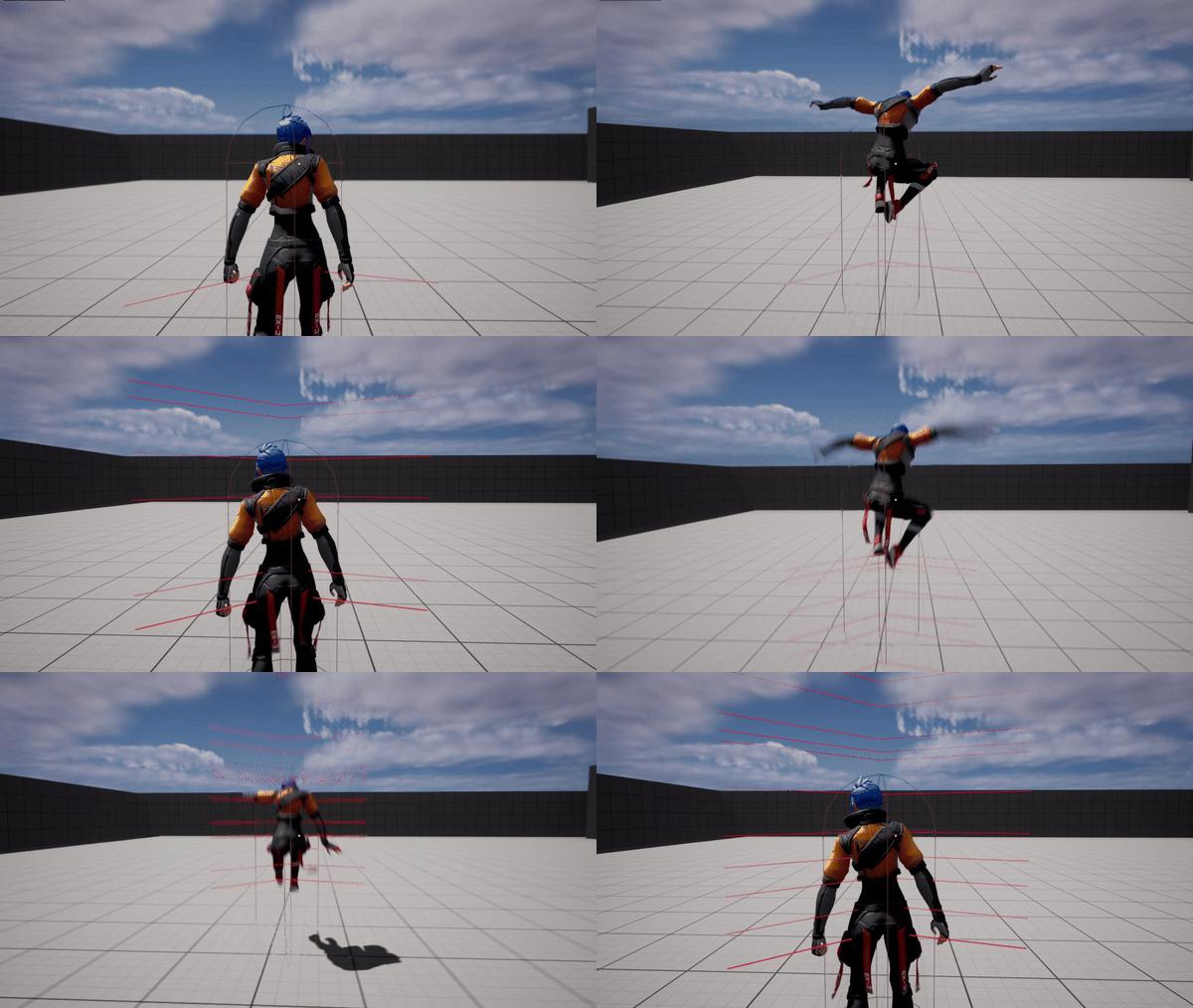
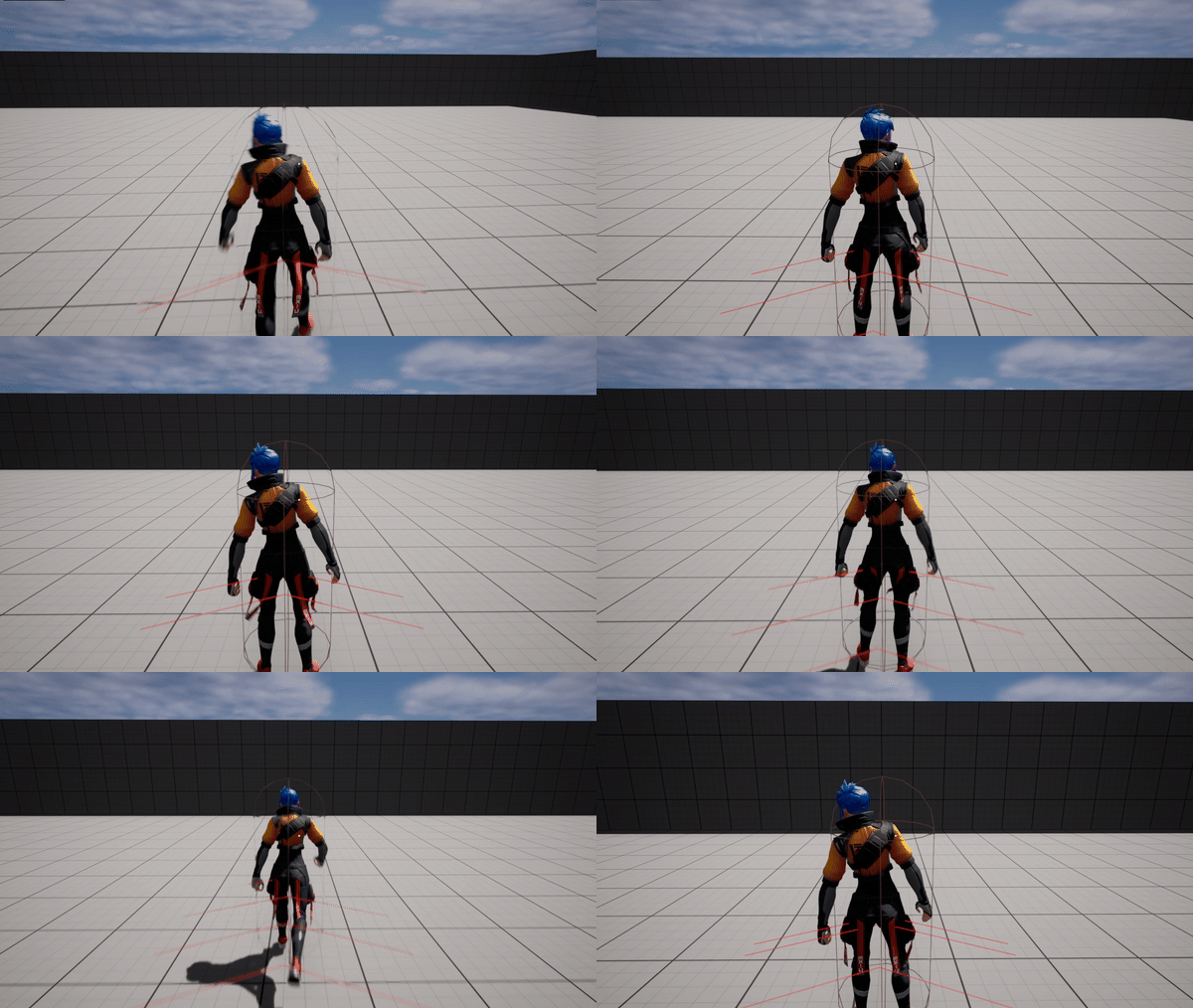
- Dynamic Camera System – Designed a responsive camera that smoothly transitions based on player speed and movement state.
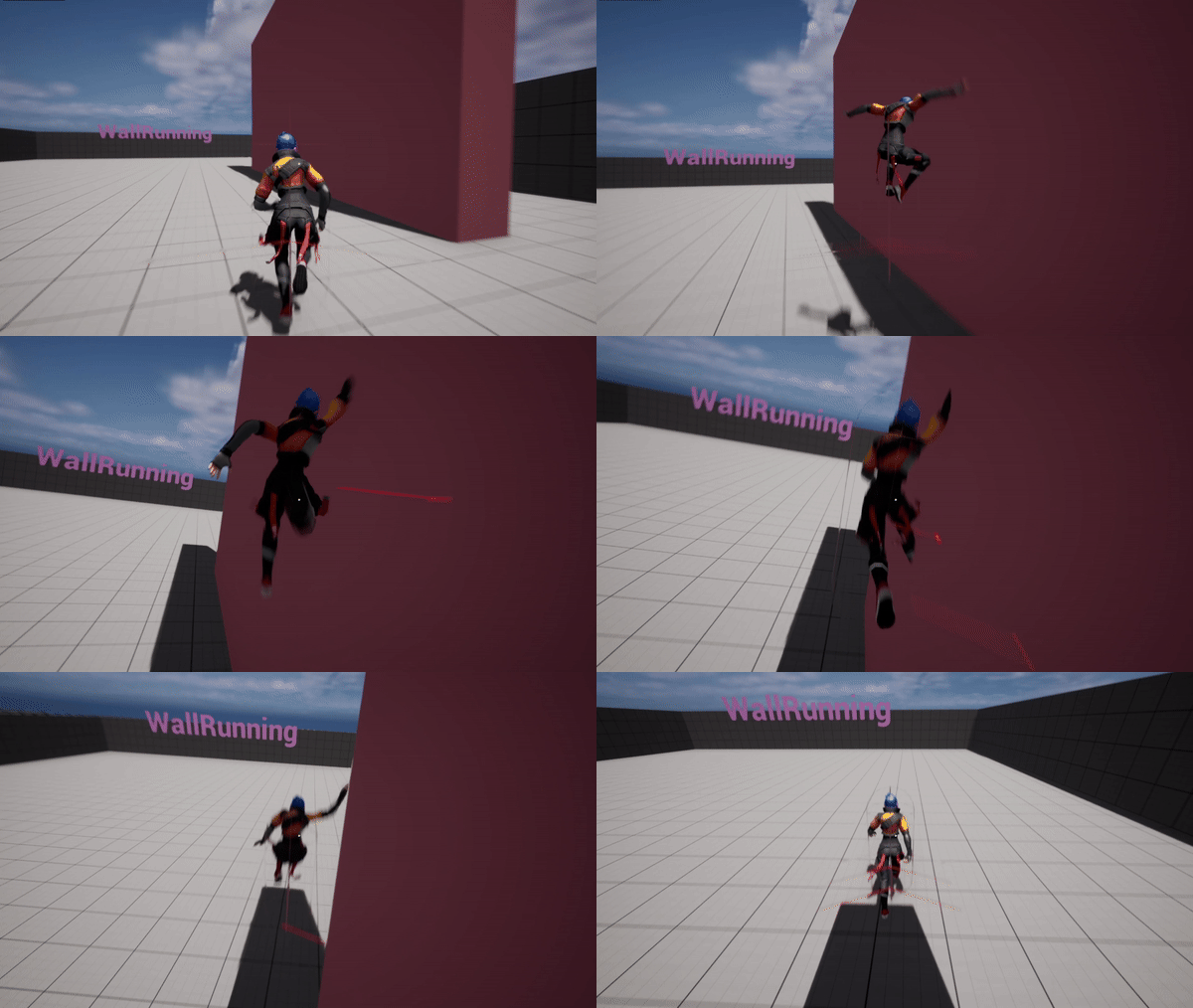
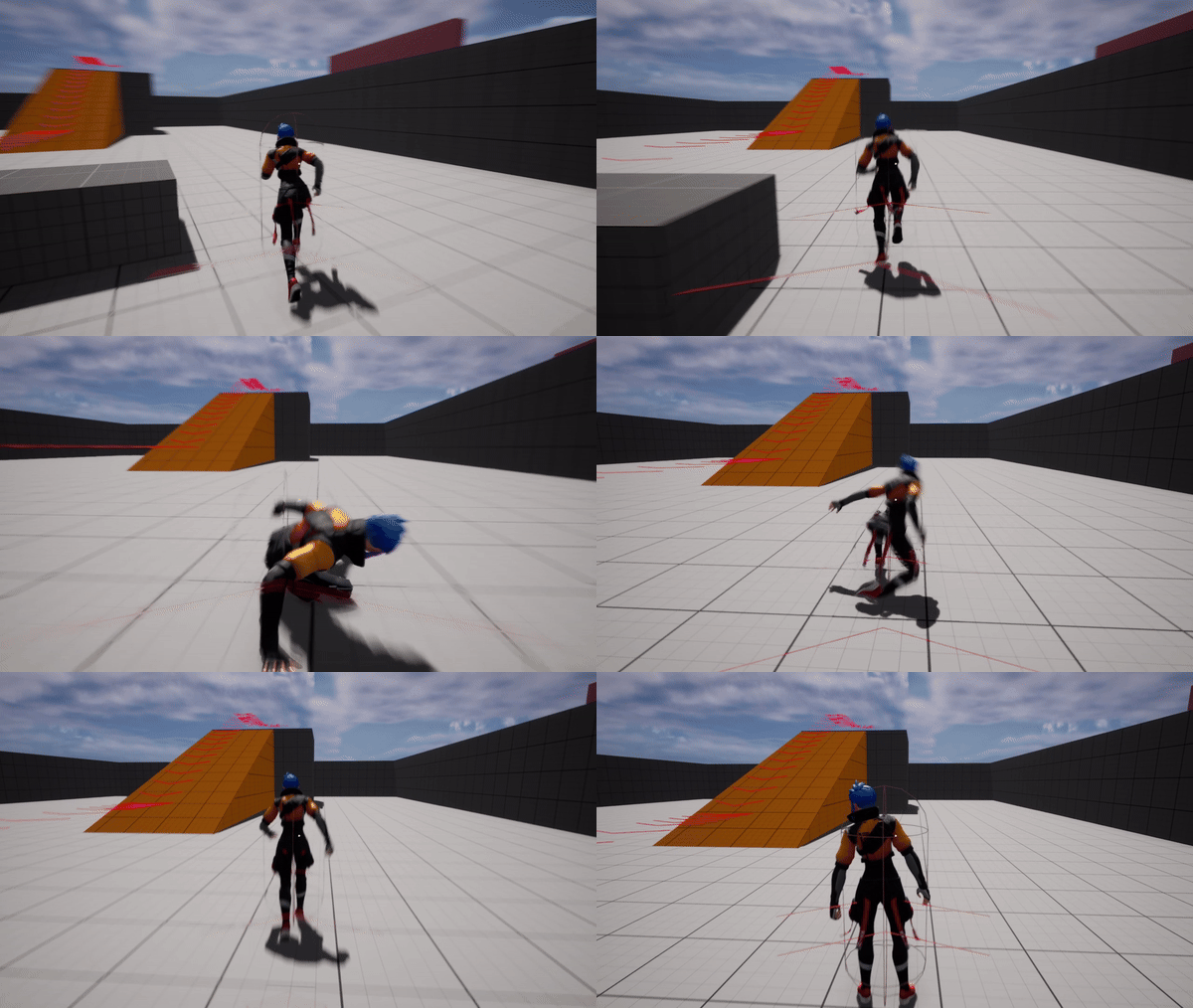
- Camera Effects – Implemented contextual camera effects for jumping, landing, wall-running, and sliding to reinforce player feedback.
- Advanced Parkour Mechanics – Developed traversal systems including climbing, wall-running, ziplining, and other movement mechanics.
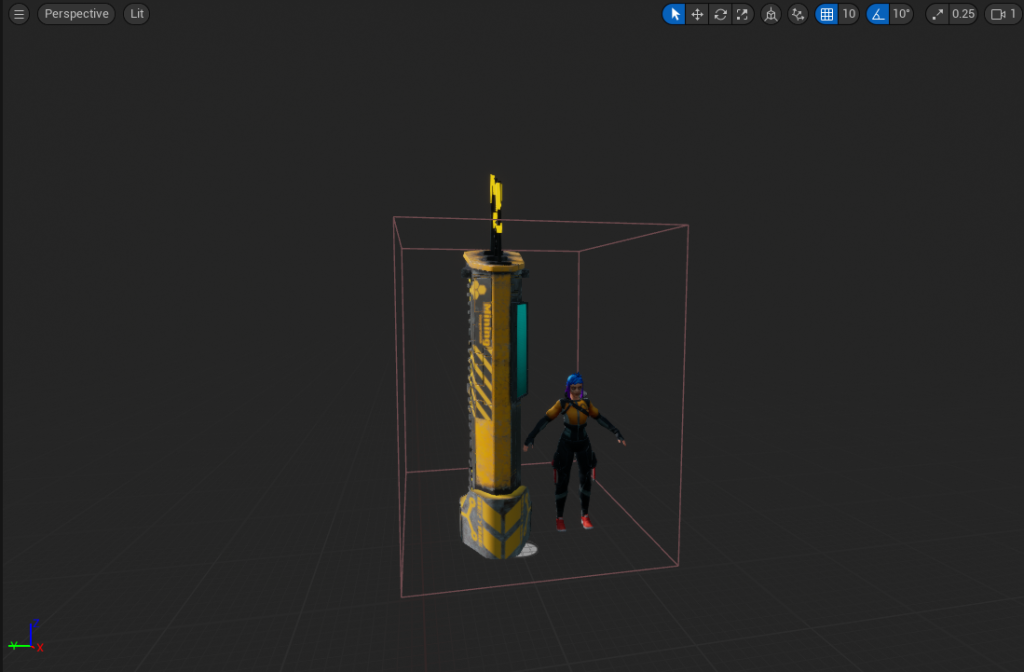
- World Interaction – Implemented interactive systems such as scanning, hacking, and environmental interactions.
- Component-Based Architecture – Built player mechanics using modular Unreal Engine 5 Actor Components, separating functionality such as movement and interaction into reusable systems.
- Modular & Maintainable Systems – Structured gameplay code to improve flexibility, reusability, and maintainability, allowing mechanics to be iterated on independently.
Gameplay Ingredients & Prototyping
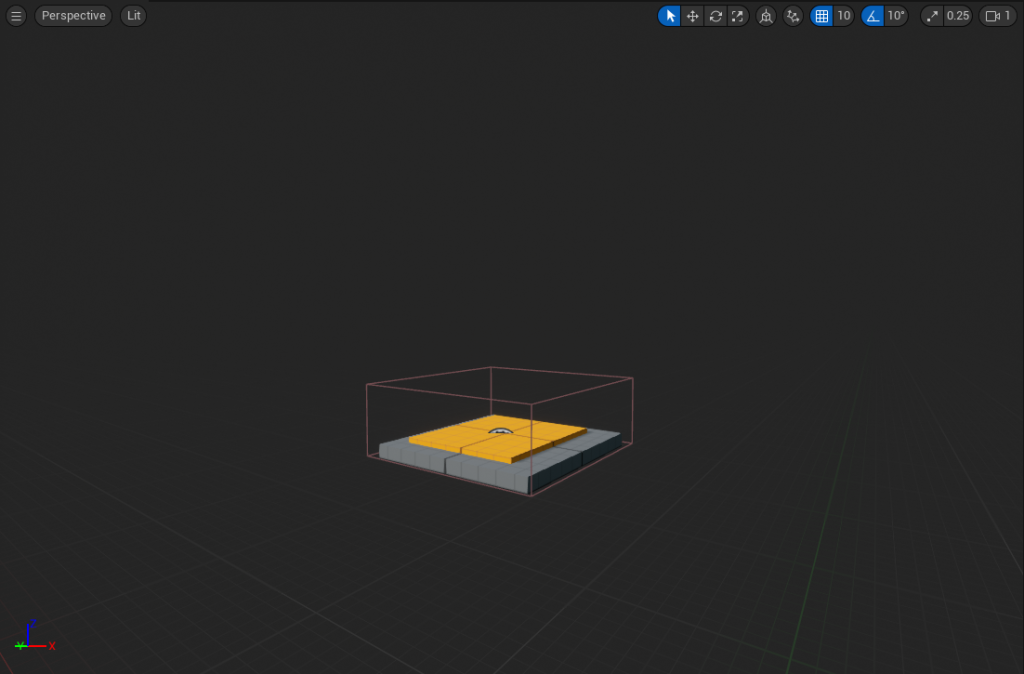
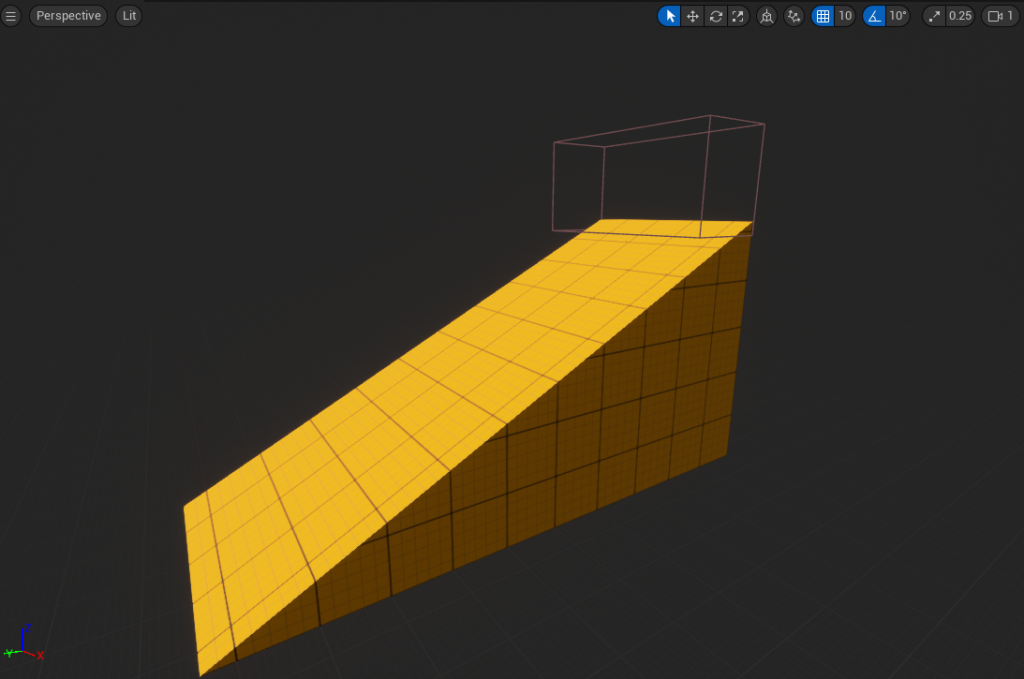
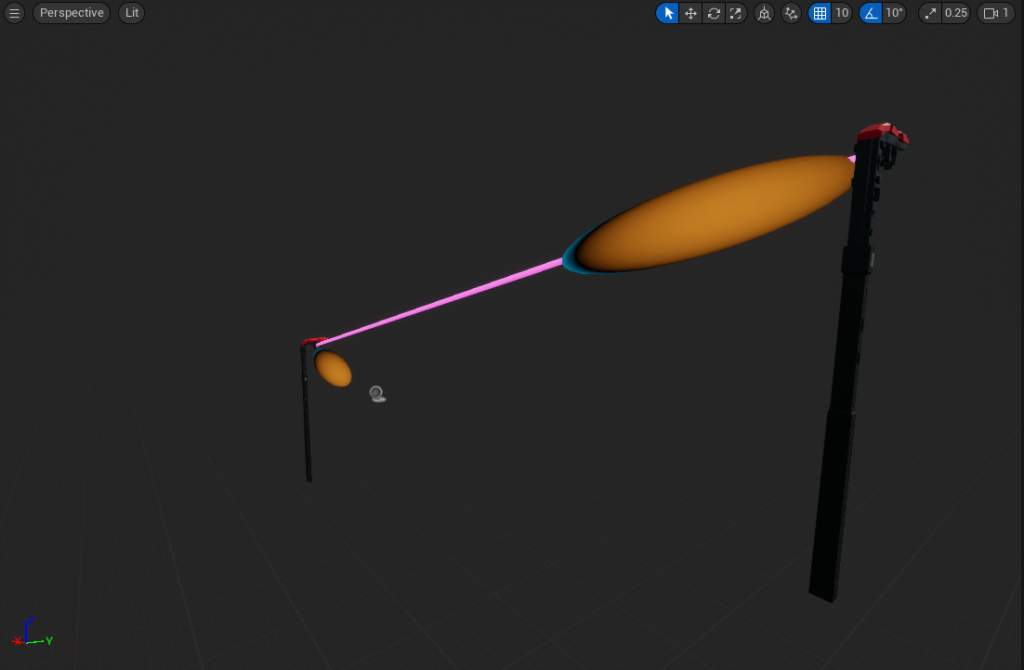
I used Blueprints to create a library of modular gameplay ingredients that could be quickly integrated and iterated on within the environment. These included launch pads, ziplines, wall-running, and sliding, each designed around a specific player interaction or movement behavior.
I broke each mechanic into reusable logic, handling elements such as player detection, movement states, collision, traces, physics, and gameplay events. This approach allowed me to rapidly prototype new interactions while keeping individual mechanics isolated and easy to modify.
Through this process, I developed practical experience with Blueprint architecture, component-based design, event-driven gameplay, and Unreal Engine’s character movement systems.
Quantum gave me the opportunity to learn Blueprint and Gameplay Ability System (GAS) through hands-on gameplay prototyping. I used Blueprint to build and iterate on movement, interaction, and player systems, while exploring GAS to structure abilities, attributes, gameplay effects, and tags into more modular and scalable systems. This process strengthened my understanding of Unreal Engine’s event-driven and component-based architecture.
Unreal Engine 5 GAS